
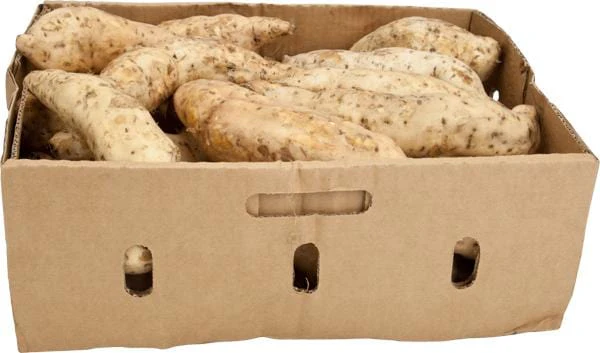
Sweet Potatoes Uganda (Ibijumba) 1kg
Sweet Potatoes Uganda (Ibijumba)
Sweet potatoes (Ipomoea batatas) are a versatile and nutritious root vegetable that is widely cultivated and consumed across the globe. Here are some key points about sweet potatoes:
Nutritional Benefits
- Rich in Nutrients: Sweet potatoes are a great source of vitamins (especially vitamin A and vitamin C), minerals (like potassium and manganese), and fiber.
- Antioxidants: They contain antioxidants that help combat free radicals in the body, reducing the risk of chronic diseases.
- Low Glycemic Index: Sweet potatoes have a relatively low glycemic index compared to other starchy foods, making them a better option for maintaining stable blood sugar levels.
Varieties
Sweet potatoes come in several varieties, differing in skin and flesh color. Common types include:
- Orange-fleshed: Most common, rich in beta-carotene.
- Purple-fleshed: High in anthocyanins, another type of antioxidant.
- White-fleshed: Less sweet but still nutritious.
Culinary Uses
Sweet potatoes can be prepared in numerous ways:
- Baked or roasted: Enhances their natural sweetness.
- Boiled or steamed: A common method to preserve their nutrients.
- Mashed: Often used as a side dish.
- Fried: Popular as sweet potato fries or chips.
- In soups and stews: Adds a sweet and hearty flavor.
- Desserts: Used in pies, cakes, and other sweets.
Cultural Significance
- In many African countries, including Uganda and Rwanda, sweet potatoes are a dietary staple. They are used in traditional dishes and are important for food security.
- In Uganda, the sweet potato is called "Rumonde" in Luganda.
- In Rwanda, the Kinyarwanda name for sweet potatoes is "ibijumba."
Agricultural Aspects
- Climate: Sweet potatoes thrive in warm climates and are well-suited to tropical and subtropical regions.
- Soil: They prefer well-drained, sandy loam soils with good fertility.
- Planting: Typically propagated through vine cuttings rather than seeds.
- Harvesting: Usually takes place 3-4 months after planting, depending on the variety and growing conditions.
Sweet potatoes are not only a key food crop for many communities but also an important source of nutrition and economic stability.
Original: $5.75
-65%$5.75
$2.01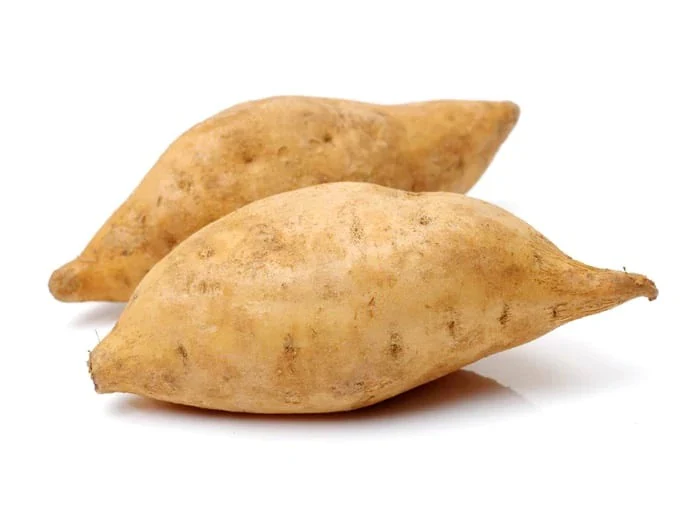
Description
Sweet Potatoes Uganda (Ibijumba)
Sweet potatoes (Ipomoea batatas) are a versatile and nutritious root vegetable that is widely cultivated and consumed across the globe. Here are some key points about sweet potatoes:
Nutritional Benefits
- Rich in Nutrients: Sweet potatoes are a great source of vitamins (especially vitamin A and vitamin C), minerals (like potassium and manganese), and fiber.
- Antioxidants: They contain antioxidants that help combat free radicals in the body, reducing the risk of chronic diseases.
- Low Glycemic Index: Sweet potatoes have a relatively low glycemic index compared to other starchy foods, making them a better option for maintaining stable blood sugar levels.
Varieties
Sweet potatoes come in several varieties, differing in skin and flesh color. Common types include:
- Orange-fleshed: Most common, rich in beta-carotene.
- Purple-fleshed: High in anthocyanins, another type of antioxidant.
- White-fleshed: Less sweet but still nutritious.
Culinary Uses
Sweet potatoes can be prepared in numerous ways:
- Baked or roasted: Enhances their natural sweetness.
- Boiled or steamed: A common method to preserve their nutrients.
- Mashed: Often used as a side dish.
- Fried: Popular as sweet potato fries or chips.
- In soups and stews: Adds a sweet and hearty flavor.
- Desserts: Used in pies, cakes, and other sweets.
Cultural Significance
- In many African countries, including Uganda and Rwanda, sweet potatoes are a dietary staple. They are used in traditional dishes and are important for food security.
- In Uganda, the sweet potato is called "Rumonde" in Luganda.
- In Rwanda, the Kinyarwanda name for sweet potatoes is "ibijumba."
Agricultural Aspects
- Climate: Sweet potatoes thrive in warm climates and are well-suited to tropical and subtropical regions.
- Soil: They prefer well-drained, sandy loam soils with good fertility.
- Planting: Typically propagated through vine cuttings rather than seeds.
- Harvesting: Usually takes place 3-4 months after planting, depending on the variety and growing conditions.
Sweet potatoes are not only a key food crop for many communities but also an important source of nutrition and economic stability.